【Medical Insurance】Unreachable Agent During Midnight Admission? Guide to Emergency Room Claims and Coverage Access

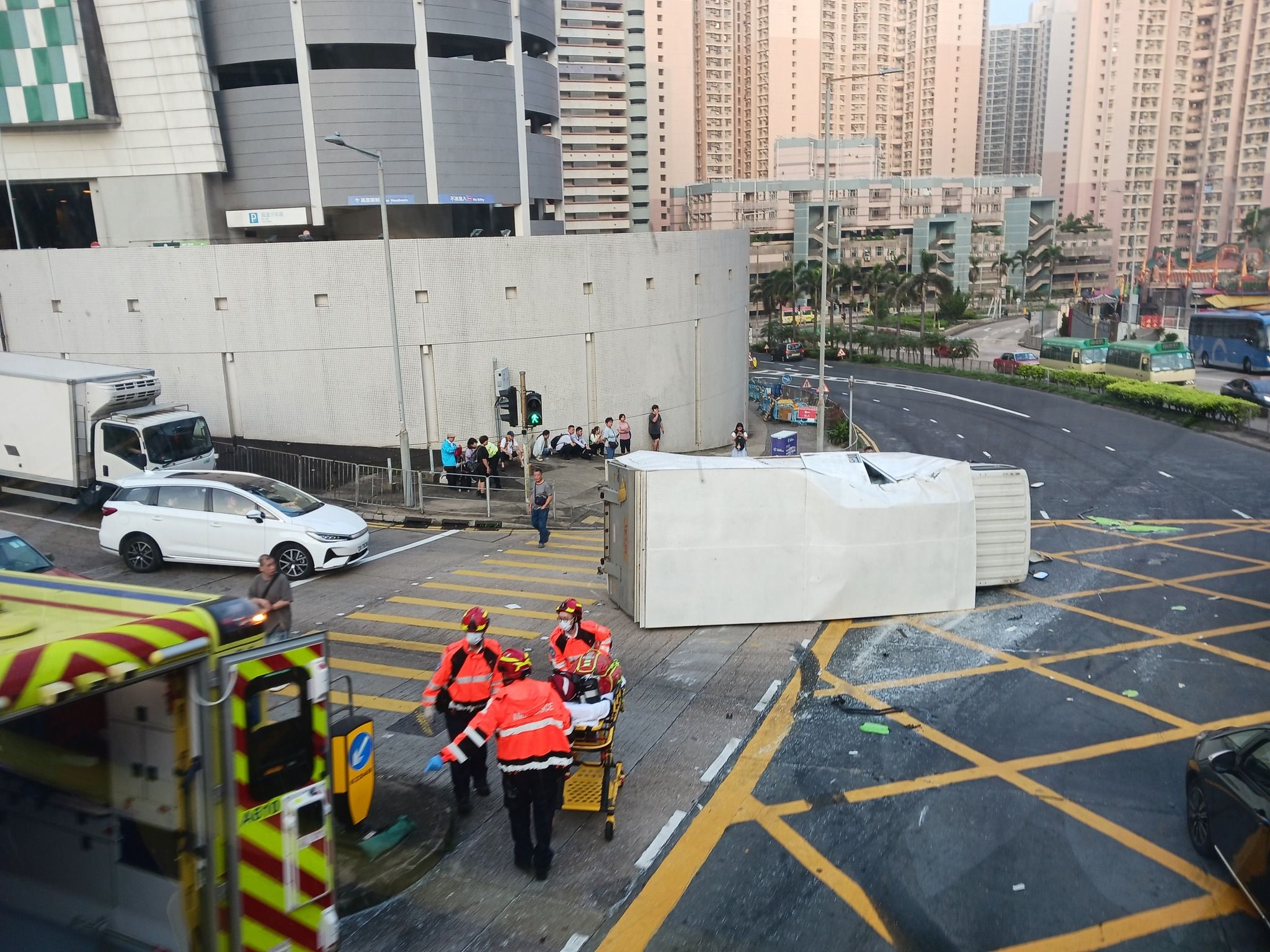
According to annual statistics from the Hospital Authority, Hong Kong sees over 1.7 million emergency room attendances every year. Sudden illness or injury never picks a convenient time, and the most helpless moments often occur in the middle of the night. Imagine this scenario: at 2:00 AM, a family member suddenly experiences severe abdominal pain or is involved in an accident. You rush them to a private hospital's emergency department. The triage nurse asks: "Does the patient have medical insurance? Which ward class do you intend to stay in? If there is no cashless arrangement, an admission deposit is required upfront."
Menu
You immediately call your insurance agent, only to be redirected to their voicemail.
At the very moment you need your insurance most, despite paying your premiums on time every year, you are trapped in a "medical claim island" because you cannot find your policy or remember the specific terms. This is a real nightmare that many Hong Kong families have experienced. Understanding the standard medical insurance claim process and emergency response methods is an essential lesson for every adult.
💡Quick Answer: If you cannot contact your insurance agent during an emergency admission, you should first confirm your policy's ward class, deductible (excess), and coverage limits. If you cannot provide policy information or obtain pre-authorization immediately, most private hospitals will require an upfront deposit, after which you can apply for a reimbursement claim from the insurance company.
Three Essential Policy Details for Emergency Admission
When you cannot contact your agent and do not have your physical policy on hand, you must instantly grasp these three core pieces of information to make decisive medical choices:
1. Eligible Ward Class
This is the most common trap leading to claim disputes. Medical insurance typically strictly limits the ward class a person can stay in (e.g., General Ward, Semi-Private Room, or Private Room). If your policy only covers a General Ward but you choose to upgrade to a Semi-Private Room because it is the only one available, the insurance company will trigger an "Adjustment Factor" clause during the claim.
Expert Breakdown: Choosing the Wrong Ward is Not Just "Paying the Difference in Room Rate"
Many people mistakenly believe that if their policy covers a General Ward ($1,000/day) and they stay in a Semi-Private Room ($2,000/day), they only need to pay the $1,000 difference out of pocket. This is a dangerous misunderstanding! According to the Adjustment Factor clause, if you stay in a ward class higher than your eligible level, your entire medical bill (including expensive surgical fees, doctor’s visit fees, operating theatre fees, etc.) will be significantly discounted (usually a reduction of 25% to 50%). This is why accurately confirming your ward class in the emergency room is key to protecting your wallet.
2. Deductible (Excess) Amount
To lower premiums, many citizens choose medical insurance with a deductible. Before handling admission procedures, you must clearly know if your deductible is zero, $16,000, or $50,000. This determines how much liquid cash you need to prepare for the admission deposit.
3. Emergency Claim Hotline or Cashless Requirement
Even if your agent does not pick up, many large insurance companies provide 24-hour emergency support. For instance, Voluntary Health Insurance Schemes (VHIS) or high-end medical insurance often have cashless arrangements. The question is: do you know the official hotline number? And can you instantly provide your policy number for the hotline staff to verify your identity and initiate the process?
Key Takeaways:
- Ward Class Error: Directly impacts the overall reimbursement ratio, leading to massive out-of-pocket costs.
- Deductible: Determines immediate cash pressure and deposit preparation.
- Claim Hotline: More critical than an agent in times of emergency.
Frequently Asked Questions in Hong Kong (Emergency Condition)
Can I always claim insurance for an emergency room visit?
Not necessarily. Besides depending on whether it involves formal hospitalization and the policy's scope, you must also be mindful of the "Medical Necessity" clause. Being arranged for admission by an emergency room doctor does not guarantee the insurance company will pay. If your admission is purely for diagnostic tests (e.g., MRI, Gastroscopy) that could have been safely performed as an outpatient, and you receive no active inpatient treatment, the insurer has the right to reject the claim entirely based on a lack of medical necessity. Before deciding to be admitted, clarify the medical necessity of the stay with the attending physician.
What should I do if I have no insurance information during a midnight admission?
You will usually need to pay the deposit first and then apply for a claim with the insurance company afterward.
How much is a private hospital deposit typically?
Generally between HKD $30,000 and $80,000, depending on the hospital's regulations and the patient's actual condition.
Emergency Preparedness Comparison: Which Risk Level Are You In?
The following comparison helps you understand the differences in policy management during an emergency room situation:
From Passive to Proactive: Your Mobile Emergency Room Protection
Key Takeaway: The real risk is not having no insurance, but "being unable to use it".
In a race against time in the emergency room, being unable to find policy information is equivalent to having no protection. The midnight emergency dilemma described above is not about the quality of the insurance product, but a breakdown in the transfer and access of information.
Through InsurVault, an insurance wallet designed specifically for Hong Kong people, you can:
- Instantly Access Ward Class and Coverage: Pre-enter key details of your medical policies into the system. When an emergency strikes, simply open your phone to see your ward class and deductible at a glance.
- Store Policy Numbers and Claim Hotlines: Bind your unique policy numbers to the official hotlines to initiate emergency procedures directly.
- Share Emergency Info with Family: Through permission sharing, allow your spouse to legally and securely view your policy summary. Should you become unable to speak, your family can immediately obtain the correct policy number and contact info to notify the hospital and insurer, gaining precious time for deposit preparation and formal claims.
Ensure your medical protection is ready at any time. Emergency medical care is a race against time; searching for policy data should never be an obstacle to treatment. Download InsurVault for free today and use technology to transform scattered documents into the most reliable protection for you and your family.
Disclaimer: The information in this article is for reference only and does not constitute any form of insurance, legal, or medical advice. InsurVault is not a licensed insurance intermediary and does not participate in policy sales, claim approvals, or provide medical support. Regarding actual emergency claim procedures, cashless approvals, ward class definitions, medical necessity clauses, deductibles, and adjustment factors, please refer to the official documents and contract terms issued by the respective insurance companies.
Ready to build a safety net for your family?
Download the InsurVault App today and easily manage your family's policies all in one place. Make love traceable.
Download for FREE