【Insurance Regulations】Fatal Crash from P-Plate Wrong-Way Driving? How Life Insurance Pays Out & Will Insurers Sue the Driver? (Part 2)
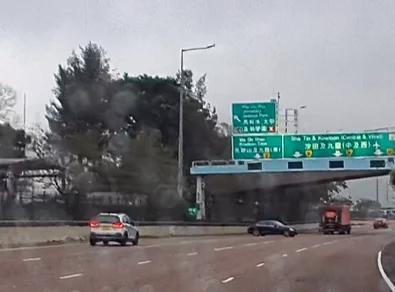
Recently, HK01 reported a shocking dashcam video of a P-plate private car driving the wrong way on the Tolo Highway, subsequently making a 180-degree U-turn and cutting across three lanes into the fast lane. Aside from sparking strong public condemnation, this "road bomb" incident has raised a pressing question for many car owners: In the event of a crash under such extreme dangerous driving conditions, will car insurance actually pay out?
Menu
In Fatal Crash from P-Plate Wrong-Way Driving? How Life Insurance Pays Out & Will Insurers Sue the Driver? (Part 1), we explored the claim rights of the victims' families (life insurance will not seek recovery, but car insurance will). In this second part, we will break down the massive financial and legal risks facing the at-fault driver.
Does Insurance Pay for Dangerous Driving?
- Third-Party Liability Insurance: The law mandates paying the victims first, but the insurance company has the absolute right to recover the funds from the at-fault driver.
- Comprehensive Car Insurance: Highly likely to trigger the "Reasonable Care Clause", resulting in the direct denial of claims for the driver's own vehicle damages.
- P-Plate Violations: Severe violations of policy terms will strip the driver of the eligibility to pay a deductible for a claim, leading to a comprehensive claim denial.
Quick Summary: Dangerous Driving = Insurance pays the third party first, but the driver ultimately bears the entire cost.
Why Does Insurance Deny Claims for Dangerous Driving Crashes?
Many people mistakenly believe that buying car insurance means the insurer will handle any collision. In reality, regarding the extreme violations seen in the news footage, we must look at the two types of insurance separately:
Will Third-Party Liability Insurance Pay? Will They Seek Recovery from the Driver?
According to Hong Kong car insurance principles, Third-Party Liability Insurance must prioritize protecting the victims. In the unfortunate event that the vehicle hits other cars due to wrong-way driving or illegal lane changes, the insurer must first compensate the innocent third parties.
💡Statutory Requirement: How Does the Law Protect Innocent Victims?
You might ask: Since the driver severely violated the rules causing the policy to lapse, why does the insurer still pay the victim on their behalf? This is not out of the insurer's charity, but due to the strict constraints of Section 12 of the Motor Vehicles Insurance (Third Party Risks) Ordinance (Cap. 272) in Hong Kong. The law explicitly states that for claims concerning third-party death or bodily injury, any policy clause attempting to evade liability based on the vehicle's condition, driver's qualifications (such as violating P-plate restrictions), or dangerous driving behavior shall be void against a third party. This regulation forms the ultimate defense line for Hong Kong's road safety, ensuring innocent casualties are never left without recourse due to the at-fault driver's violations.
However, the at-fault driver absolutely cannot walk away unscathed. Policies typically state that if a driver violates severe traffic laws, the insurance company has the absolute legal right to exercise its Right of Recovery after compensating the victims, claiming back the full compensation amount from the at-fault driver. This means the at-fault party must ultimately pay out of pocket, bearing third-party casualty compensation that could reach millions or even tens of millions of dollars, facing the imminent risk of bankruptcy.
Will Comprehensive Insurance Pay for Your Own Car? Will Violations Lead to Direct Denial?
If the driver purchased Comprehensive Car Insurance, the coverage is supposed to include their own vehicle. However, in cases of dangerous driving, the insurer is highly likely to directly deny the claim for the driver's own losses.
💡Key Analysis: On What Grounds Can Comprehensive Insurance Deny Claims? Understanding the Reasonable Care Clause
Many car owners assume that as long as there is no drink driving or drug driving, Comprehensive Insurance will definitely cover their car damages. However, for extreme dangerous behaviors like driving the wrong way, insurers will invoke a crucial policy clause—the Reasonable Care Clause. This clause mandates that the insured must take all reasonable steps to safeguard the vehicle from loss or damage. Courts and the Insurance Complaints Bureau have repeatedly ruled that if a driver's behavior reaches the level of being "reckless" (e.g., deliberately driving the wrong way or severely speeding on a highway), it breaches this core clause. The insurance company thus has an absolute legal basis to completely deny compensation for the repair or total loss of the at-fault vehicle.
Will Insurance Pay if a P-Plate Drives in the Fast Lane? Unpacking Claim and Deductible Logic
For the P-plate driver in the news, the situation is even more severe. The Transport Department sets strict conditions for Probationary Driving Licences, including prohibiting the driving of vehicles in the offside lane (fast lane) of expressways with three or more traffic lanes.
Car policies have an extremely low tolerance for P-plate drivers. Even if an accident does not involve illegal behavior and the insurer is willing to pay, policies usually include an "Inexperienced Driver Deductible" (excess). This means that even for a minor collision, a P-plate driver must first bear a hefty excess out of pocket. However, if a severe violation of P-plate restrictions occurs as seen in the news (e.g., illegally entering the fast lane), the driver loses even the eligibility to pay the excess. The insurer will deem this a breach of fundamental terms and directly deny compensation for all own-vehicle losses.
Comparison Table: Car Insurance Claims Under Dangerous Driving
To help everyone grasp the financial costs of illegal driving at a glance, we have compiled the following claim mechanism comparison table:
Frequently Asked Questions in Hong Kong (Car Insurance)
Will insurance pay for wrong-way driving?
For innocent third-party victims, the law guarantees that insurance will definitely pay out first. However, for the at-fault driver driving the wrong way, because their behavior is reckless, their "Comprehensive Insurance" will highly likely deny the claim; meanwhile, after compensating the victims, their "Third-Party Insurance" has the absolute right to recover the full amount from the driver.
If the insurance company seeks recovery, can I refuse to pay?
Absolutely not. The insurance company's right of recovery is built upon court judgments and insurance contract terms, possessing absolute legal binding force. If the driver refuses or is unable to repay, the insurer will apply for enforcement through civil litigation, or even petition the court for the driver's bankruptcy, liquidating all assets under their name to settle the debt.
Will insurance pay if a P-plate crashes in the fast lane?
Highly likely to deny own losses. The law prohibits P-plate drivers from driving in the rightmost lane on a three-lane highway. If an accident occurs due to violating this licensing condition, the insurer can consider it a breach of basic contract terms by the policyholder, thereby directly stripping their eligibility to claim, leaving the at-fault driver to bear all vehicle damage costs themselves.
Disclaimer: The information in this article is for reference only and does not constitute any form of insurance, legal, or investment advice. InsurVault is a third-party policy data management tool, not a licensed insurance intermediary or law firm. It does not directly connect with any insurance company's internal systems, nor does it participate in policy sales, claim approvals, or provide legal consultation. Regarding the deductibles, reasonable care clauses, recovery mechanisms for dangerous driving, and P-plate terms of various car policies, please refer to the official documents, contract terms issued by the respective insurance companies, and final judgments by Hong Kong courts.
Ready to build a safety net for your family?
Download the InsurVault App today and easily manage your family's policies all in one place. Make love traceable.
Download for FREE