【Travel Insurance】Nepal Everest $20M Scam! Why Victims Might Have to Pay Helicopter Bills Themselves
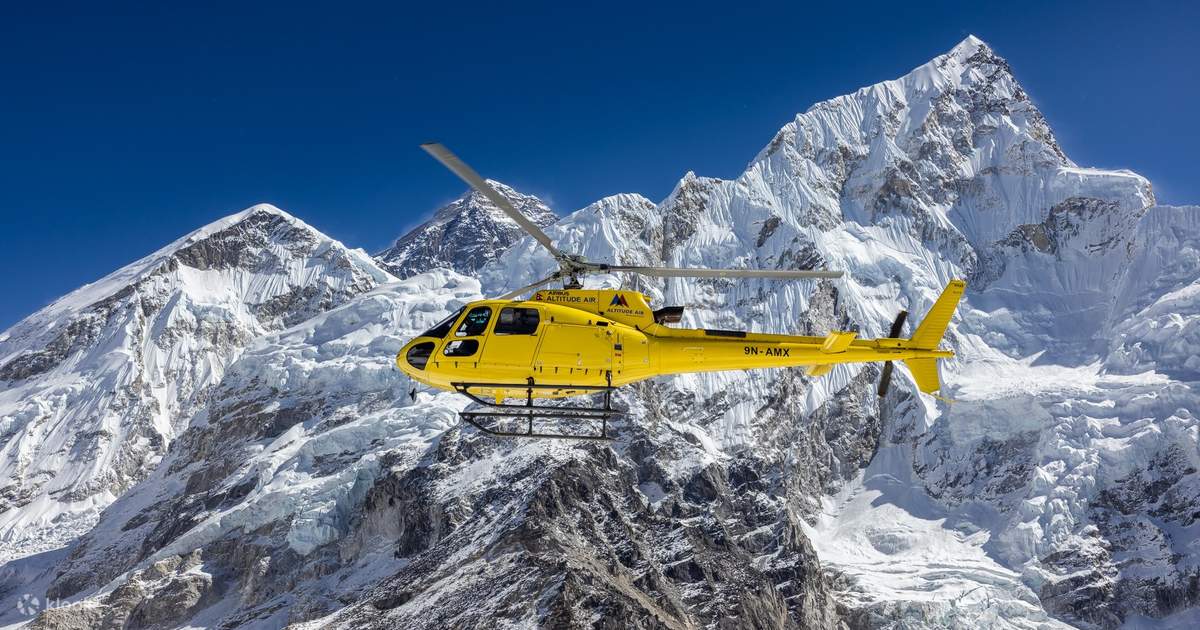
Recently, Nepal police launched massive prosecutions against the local tourism industry, uncovering a helicopter rescue insurance scam that shocked the global mountaineering community. According to in-depth reports by AFP and The Kathmandu Post, the scam syndicate allegedly tampered with tourists' food (such as mixing in baking soda or unclean food) to induce diarrhea or suspected altitude sickness symptoms, thereby intimidating and forcing tourists to evacuate via helicopter. The case involves a staggering USD 19.6 million in fraudulent claims, with 32 trekking agency owners, helicopter operators, and hospital executives indicted.
Menu
Faced with this news, the first reaction of many Hong Kong travellers is: "Since I am the victim of being drugged, shouldn't my travel insurance cover the full cost?".
The reality, however, is extremely cruel. Under the strict regulations of international insurance claims, travelers are highly likely to fall through the cracks of legal and claim procedures, ultimately becoming the victims who have to bear the astronomical bills themselves.
💡Quick Answer: As a victim of a scam, will travel insurance cover the helicopter fees?
Highly likely to be declined. The emergency medical evacuation clauses of travel insurance strictly stipulate that rescue operations must have objective medical necessity and, where reasonably practicable, must be pre-authorized by the insurance company's 24-hour assistance center. If a traveler boards an aircraft without authorization, even if ultimately proven to be a scam victim, the insurance company still has strong legal grounds to refuse payment, leaving the traveler facing a massive debt crisis at any time.
International Authority Investigations Reveal: Why Do Victims End Up Paying Out of Pocket?
This is not alarmist talk. Since the scam was first exposed in 2018, several large international travel insurance companies (e.g., World Nomads) have issued severe warnings regarding helicopter abuse in Nepal. Here are the three main reasons why victims ultimately have to pay out of pocket:
1. Bypassing Pre-authorization
The vast majority of travel insurance contracts contain a clause: any emergency medical evacuation must be triaged over the phone by a doctor from the insurance company's global assistance hotline, and the rescue team must be arranged by the insurer itself. Scam syndicate guides typically use the excuse of a critical situation or lack of signal on the mountain to prevent travelers from contacting their insurance companies, privately summoning helicopters colluding with them. When travelers board without authorization while conscious and circumstances permit, the insurance company has extremely strong legal grounds to fully decline the claim citing "unauthorized services".
2. Failing the Medical Necessity Review
All massive medical claims by insurance companies go through strict audits by internal teams. Even if a traveler genuinely suffers from severe diarrhea due to being drugged, from an objective medical standard, ordinary gastroenteritis simply does not meet the medical necessity standard requiring an emergency helicopter evacuation. Once the insurance company determines this is merely a minor discomfort, the fee of tens of thousands of dollars will be completely excluded.
3. Passport Confiscation and Extortion by Blacklisted Hospitals
According to investigations by foreign media such as The Independent, after the helicopter transports the traveler to an involved hospital in Kathmandu, the hospital staff will confiscate the traveler's passport under the guise of processing paperwork. When the insurance company discovers that this hospital is on the scam blacklist and refuses to issue a guarantee of payment, the hospital turns to the traveler for debt collection. To retrieve their passport and board their flight home smoothly, travelers are often forced to hand over their credit cards and swallow this astronomical bill.
InsurVault Analysis: Hidden Traps of High-Altitude Rescues
To avoid falling into claim traps, travelers must recognize the following two easily overlooked hidden policy clauses:
Beware of the Hidden Altitude Limit
Many people assume that as long as they aren't using ropes for rock climbing, ordinary hiking is definitely covered. This is a fatal blind spot! Most basic travel insurance policies on the Hong Kong market have strict altitude limits, usually drawn between 3,000 and 4,000 meters (some even as low as 2,000 meters). Meanwhile, the altitude of the Everest Base Camp in Nepal reaches 5,364 meters. If your purchased policy is limited to 3,000 meters, the moment you step up to 3,001 meters, the medical and rescue coverage of the entire policy legally and automatically becomes invalid instantly.
💡Claim Red Line: Rescue or Sightseeing? Insurance Companies Only Recognize Medical Certificates
Scam syndicate guides sometimes persuade travelers: "You are a bit tired, why not call a helicopter for a scenic flight down the mountain, and later tell the insurance company it was altitude sickness for the claim.". Please note that "Emergency Medical Evacuation" and "Search and Rescue" in an insurance contract are two completely different coverage items. If you just feel tired or don't want to walk without objective medical data (such as a sudden drop in blood oxygen saturation or signs of severe pulmonary edema) to support it, the insurance company will view this as a private transportation sightseeing charter and will absolutely not pay for this tens-of-thousands-of-dollars bill.
Comparison Table: Travel Insurance Claims vs. International Scams
High-Risk Travel Self-Protection Guide: How to Avoid Becoming a Scapegoat for Insurance Fraud?
- Insist on contacting the insurance company: Unless completely unconscious, you must make every reasonably practicable effort to personally call the travel insurance's emergency assistance hotline before boarding any helicopter.
- Refuse to sign blank documents: Do not sign any foreign-language payment commitment letters or blank authorization forms provided by guides in a panic.
- Retain objective medical evidence: If sent to a hospital, be sure to request detailed blood test reports and doctor's diagnostic certificates to prepare for future claim audits.
Before stepping into deep mountains where you might lose network coverage, grasping your policy's bottom line in advance is the first step to saving your life. Through digital policy management tools like InsurVault, you can systematically store your complex travel insurance terms before departure, clearly clarifying your policy number and emergency assistance hotline. We strongly recommend that travelers log into the system while there is network coverage in the city or hotel and save these key claim details as screenshots or copy them into a portable notebook. By doing so, even when facing sudden crises and network blind spots, you can calmly seek help according to official procedures. Combining technology with rigorous preparation protects you from scam syndicates.
Hong Kong FAQs (High-Altitude Rescue and Travel Insurance)
Will travel insurance definitely cover helicopter rescue?
Not necessarily. First, you must ensure that the altitude you are traveling to does not exceed the policy's altitude limit. Second, helicopter rescue must meet medical necessity and, where reasonably practicable, obtain pre-authorization from the insurance company's assistance center; otherwise, it is highly likely to be declined.
What should I do if a hospital abroad confiscates my passport and forces me to pay medical fees?
This involves suspected illegal confiscation of personal travel documents and forced transactions. Travelers should immediately contact the local Assistance to Hong Kong Residents Unit of the Hong Kong Immigration Department (hotline 1868) or the local Chinese Embassy for help. Do not easily hand over credit cards or sign unclear debt documents, and maintain continuous contact with the insurance company's legal support team.
Can I apply for a helicopter fee claim after the fact if I bought travel insurance?
Extremely difficult. Unlike general outpatient claims of a few hundred dollars using the "pay first, claim later" model, emergency medical evacuations costing tens of thousands of dollars are major claims. If a conscious traveler lacks the insurance company's pre-authorization, after-the-fact claims will almost certainly be rejected for failing to meet strict contract approval clauses.
Disclaimer: The information in this article is for reference only and does not constitute any form of insurance, legal, or financial advice. InsurVault is a third-party policy data management tool, not a licensed insurance intermediary or law firm. It does not directly connect with any insurance company's internal systems, nor does it participate in policy sales, claim approvals, or provide legal consultation. Regarding the altitude limits, definitions of medical necessity, statutory requirements for pre-authorization, and emergency medical evacuation procedures of various travel policies, please refer to the official documents and internal policies issued by the respective insurance companies.
Ready to build a safety net for your family?
Download the InsurVault App today and easily manage your family's policies all in one place. Make love traceable.
Download for FREE