【CI Standardization Guide】Major Claim Shake-up in Sept! Will Pre-cancerous Lesions Be Covered?
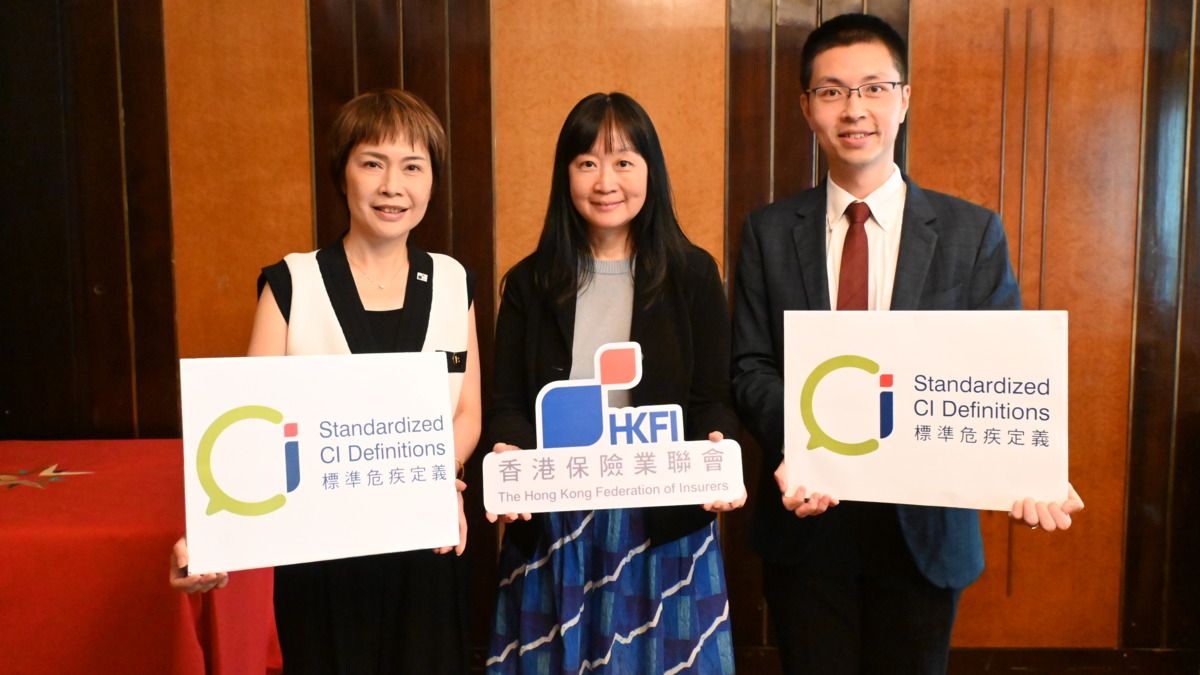
With rapid advancements in medical technology, many hidden diseases can now be screened out at an extremely early stage. To resolve the past industry disputes caused by varied and ambiguous terms, the Hong Kong Federation of Insurers (HKFI) announced the implementation of the "Standardization of Critical Illness Definitions", effective September 1.
Menu
As a major reform in Hong Kong's critical illness (CI) insurance sector, what actual impact will this new system have on the claim rights of the general public? Specifically, regarding cancer claims—the biggest concern for most people—will it become harder to claim due to tightened definitions? We have compiled a must-read guide to the new CI system to help you accurately grasp your rights!
💡 Quick Comparison
Critical Illness Definition Standardization Guide: 3 Key Questions You Must Know
Question 1: When does the new system take effect? Will old CI policies be changed?
- Effective Date: September 1st, 2026.
- Scope of Impact: Applies only to Hong Kong critical illness insurance products newly issued after the effective date.
- Impact on Old Customers: Absolutely no retroactive effect! Insurance companies have no right to unilaterally modify effective contracts. All existing old policies will continue to strictly follow their original contract terms regarding coverage scope.
Question 2: What are the major changes to the CI insurance cancer definition?
- Past Industry Disputes: Due to medical progress, extremely early abnormal cells can be easily detected. In the past, the medical boundary between early-stage lesions and major cancer was prone to disputes, heavily relying on the interpretation of individual insurance companies' claims departments.
- New System Standards: The key difference is that the new system uses the latest medical terminology to draw an extremely clear medical boundary for "Major Cancer" (e.g., must present evidence of malignant cells invading surrounding tissues). This means that extremely early lesions, which easily caused gray-area disputes in the past, are precisely categorized to clearly distinguish what belongs to "Major Cancer" (100% payout) and what only qualifies as "Early-Stage CI / Carcinoma in situ" (proportional payout), thoroughly eliminating the room for interpretation during claims.
Question 3: If pre-cancerous lesions do not pay out 100%, are citizens losing out?
- Absolutely not. As the industry's minimum standard, the most important goal of standardization is to ensure that insurance funds are accurately applied to high-incidence major illnesses that involve exorbitant treatment costs and deliver devastating blows to family finances. Drawing clear boundaries not only avoids claim disputes caused by vague definitions but also effectively maintains premium neutrality, making the pricing of CI products more sustainable.
The Twisting Trap: Why is it More Dangerous Under the New System?
Every time a major reform occurs in the industry, there will inevitably be intermediaries persuading clients: "Your old policy's definitions are outdated. Hurry up, cancel the old one, and switch to a brand-new standardized policy!"
Faced with such rhetoric, please think twice! This is an extremely dangerous twisting trap. Although your old policy lacks unified standards, it locked in your insurability when you were young and healthy. As you age, your body may have developed various minor ailments. If you hastily cancel your old policy and reapply, it is highly likely that the new policy will charge a higher premium or impose exclusions based on your current health status.
Policy Management Strategy: How to Handle the Gap Between New and Old Policies?
Facing old policies with varying terms on the market alongside the upcoming new standardized products, it is impossible to clearly figure out your coverage bottom lines relying solely on memory. In the unfortunate event of a sudden health crisis, family members often panic while rummaging for policies.
Through InsurVault, a digital policy management tool tailored for Hong Kong families, you can centrally manage your critical illness, medical, and life insurance policies from different companies in 360 degrees. The system lets you compare coverage scopes and limits at a glance, ensuring that you won't get confused by having too many terms when executing your wealth protection strategy.
In the face of a rapidly changing medical system, use InsurVault today to build a solid safety net for your health and wealth.
Hong Kong FAQs (CI Definition Standardization & Claims)
Are pre-cancerous lesions the same as cancer? Is carcinoma in situ covered by insurance?
Medically speaking, a pre-cancerous lesion (such as abnormal cervical cell changes) means that cells have appeared abnormal and carry the risk of developing into cancer, but have not yet developed into a true malignant tumor. Simply put, pre-cancerous lesions are not equivalent to major cancer. Under the new CI system, such lesions generally do not fall within the 100% claim scope of Major Cancer. As for carcinoma in situ (extremely early primary cancer), depending on the product design of the individual insurance company, you typically need to purchase a rider that includes "Early-Stage Critical Illness" to receive a proportional payout.
After the CI cancer definition changes, will my old CI policy be altered?
Absolutely not. The standardization of critical illness definitions has no retroactive effect whatsoever. If your current old CI policy terms explicitly cover specific pre-cancerous lesions or carcinoma in situ, as long as you pay your premiums on time, the validity of the contract and your claim rights will remain completely unaffected by the new system taking effect in September.
Should I twist (switch) my CI insurance after Hong Kong's CI definition standardization?
In financial planning practice, the market generally adopts a defensive strategy of "retaining old policies". Although the new system standardizes terms and reduces disputes, twisting means you must undergo re-underwriting. Any newly added age and health issues could lead to increased premiums or new exclusions in the new policy. A much safer approach is to retain the foundational underwriting advantages of your old policy, use digital tools to identify coverage gaps, and then assess whether you need to purchase an additional new policy.
Disclaimer: The information and guide in this article are for reference only and do not constitute any form of insurance, legal, medical, or financial advice. InsurVault is not a licensed insurance intermediary or dispute resolution body; it does not participate in policy sales, claim approvals, or provide medical treatment consultations. For the final terms and effective dates of the standardization of critical illness definitions, please refer to the official guidelines issued by the Hong Kong Federation of Insurers (HKFI). Before applying or claiming, please carefully read the policy details and refer to the official documents issued by your insurance company as well as the professional advice of a specialist. For inquiries, please email contactus@insurvault.com.hk.
Ready to build a safety net for your family?
Download the InsurVault App today and easily manage your family's policies all in one place. Make love traceable.
Download for FREE