【Premium Financing】2026 Rules: HKMA & IA Crackdown on Loan Recalls & Risks
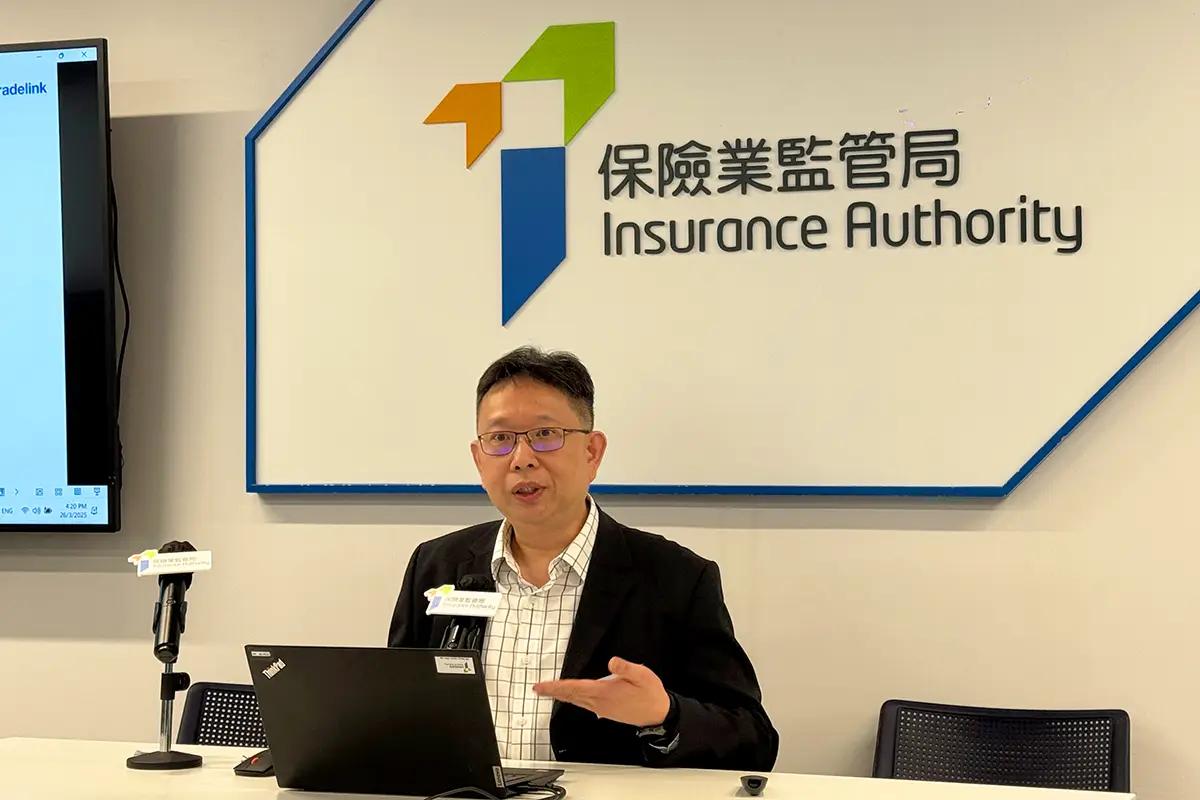
In Hong Kong's wealth management market, many high-net-worth individuals (HNWIs) have heard financial advisors recommend "Premium Financing". In the past, advisors heavily emphasized "leveraging small capital", "interest arbitrage", and "magnifying returns", while rarely being transparent about the hidden risks of loan defaults and negative equity.
Menu
However, this phenomenon has drawn intense scrutiny from regulatory bodies. The Hong Kong Monetary Authority (HKMA) and the Insurance Authority (IA) issued a heavyweight joint circular in November 2025, directly pointing out that some institutions were aggressively promoting financing returns without adequately disclosing the risks. Consequently, a series of joint regulatory guidelines officially came into effect on January 1, 2026.
There is no free lunch in this world. When market conditions reverse, this seemingly flawless financial tool can instantly turn into a financial time bomb that keeps you up at night.
Quick Answer: What is Premium Financing and What Are the Risks?
Premium financing involves a policyholder taking out a bank loan to pay the majority of a life insurance premium, using leverage to magnify potential returns. However, it also involves three fatal risks: negative interest spreads due to rising rates, exchange rate mismatches, and bank loan recalls (Margin Calls). If the market reverses, you could face liquidation, making it absolutely unsuitable for every investor.
How Does Premium Financing Work? Unmasking the Double-Edged Sword of Leverage
Simply put, the mechanics of premium financing involve pledging the policy’s Cash Value as collateral to a bank to secure a massive loan.
Suppose the total premium for a policy is HK$10 million. The policyholder might only need to pay HK$2 million out of pocket (the down payment), while the remaining HK$8 million is borrowed from the bank and paid directly to the insurance company. Subsequently, the policyholder only needs to make regular interest payments on the HK$8 million loan (the borrowing cost).
The Illusion of Leveraged Returns (Interest Spread)
If the policy's declared dividend return rate is 5% and the bank's loan interest rate is 2%, the policyholder can earn a 3% interest spread. Because the policyholder only put up HK$2 million in capital but is earning a return based on HK$10 million, this is known as "magnified returns." However, leverage is always a double-edged sword: as it magnifies returns, it proportionally magnifies risks. This is exactly why the 2026 regulations mandate the industry to provide clear Scenario Analysis documents to clients.
The Top 3 Traps of Premium Financing: Why Do Banks Recall Loans?
Many investors blindly jumped into the market when interest rates were low, failing to consider the terrifying consequences of a market reversal. Here are the top 3 risks of premium financing:
1. Rising Interest Rates and "Negative" Interest Spreads
This is the most common fatal flaw. Bank loan rates are typically floating (e.g., pegged to HIBOR). During a rate hike cycle, if the loan rate spikes from 2% to 6%, but the policy's return stays at 5%, the policyholder no longer earns a spread. Instead, they must pay hefty interest costs out of pocket every month. The golden goose instantly becomes a massive cash flow burden.
2. Expert Insight: The Hidden Exchange Rate Risk
Besides rising interest rates, another frequently ignored fatal blow is "exchange rate risk." To chase ultra-low loan rates, many policyholders pledge USD-denominated policies to borrow in a foreign currency (like the Japanese Yen). If that foreign currency suddenly appreciates significantly, the loan principal and interest you owe will skyrocket when converted back to USD. This instantly drives up your Loan-to-Value (LTV) ratio, directly triggering a mandatory margin call from the bank.
3. The Fatal Blow: Bank Loan Recalls (Margin Calls)
This is the most terrifying liquidation scenario in premium financing. When a bank lends you money, it sets a strict Loan-to-Value (LTV) ratio. When the loan interest accumulates faster than the policy's surrender value grows, your outstanding loan balance continuously expands. If this causes your LTV to breach the bank's red line (e.g., exceeding 90%), the bank will issue a notice demanding that you immediately deposit a large sum of cash to cover the shortfall.
Regulatory Red Line: Core Requirements of the 2026 Rules
Why are regulators cracking down so severely? Under the newly implemented guidelines, banks and insurance intermediaries are strictly mandated to conduct an "Affordability Assessment" on clients. The industry must now explain the financial pressure under extreme rate hike scenarios and ensure that clients have independent, liquid assets outside the policy to handle potential loan recalls. This regulation officially marks the end of the "blindly borrowing to buy insurance" era.
Comparative Analysis: Premium Financing vs. Self-Pay
We have condensed the pros and cons of both approaches into the following three-column table to help you quickly assess the risks:
Before making any financing decisions, obtaining a clear overview of your entire asset and policy portfolio is the crucial first step. Through InsurVault, a digital policy management tool tailored for Hong Kong families, you can centralize all your policies, clearly manage insurance cash values and coverage scopes, and allow your family to access a holistic financial picture anytime, anywhere. Download InsurVault for free today to build a transparent and highly efficient protection net for your wealth.
Hong Kong FAQs (Premium Financing & Risk Management)
What happens when interest rates rise?
When bank loan rates surge, policyholders experience a "negative interest spread". If the policyholder cannot afford to pay the loan interest, or if the accumulated loan interest pushes the total borrowed amount beyond the policy's surrender value threshold, the bank will issue a loan recall (Margin Call) notice.
What assets can a spouse prioritize inheriting?
Under the Intestates' Estates Ordinance, a spouse has the right to prioritize receiving a statutory legacy of HK$500,000 and all "personal chattels" (e.g., cars, jewelry, watches). Please note, this does not include commercial assets, rental properties, or stocks. Therefore, if wealth is entirely locked up in a premium-financed policy, the immediate liquid cash available to the spouse may be extremely limited.
What should you do if the bank issues a Loan Recall?
According to typical bank loan terms, the following mechanisms usually apply: 1. The bank will require the borrower to deposit cash immediately to reduce the loan balance (i.e., margin call); 2. The bank will require the borrower to pledge other acceptable assets (such as property or time deposits) as additional collateral; 3. If the borrower is unable to raise the margin call funds within the specified period, the bank has absolute contractual right to force the policy to be surrendered to repay the loan. Therefore, regulatory agencies strongly recommend that policyholders reserve sufficient emergency cash reserves before seeking financing.
Disclaimer: The information in this article is for reference only and does not constitute any form of insurance, legal, tax, or financial advice. InsurVault is not a licensed insurance intermediary, financial institution, or dispute resolution body, and does not participate in policy sales, loan approvals, or provide financing consultations. Premium financing involves extreme risks, including but not limited to interest rate fluctuations, exchange rate risks, and the risk of mandatory loan recalls. Before making any decisions, please refer to the latest guidelines implemented by the HKMA and IA in 2026 and seek independent professional advice. For inquiries, please email contactus@insurvault.com.hk.
Ready to build a safety net for your family?
Download the InsurVault App today and easily manage your family's policies all in one place. Make love traceable.
Download for FREE