【News Analysis】What Happens Without a Will? Unpacking HK Intestacy, Asset Freezes & Forced Sales via Eddie Kwan's Case
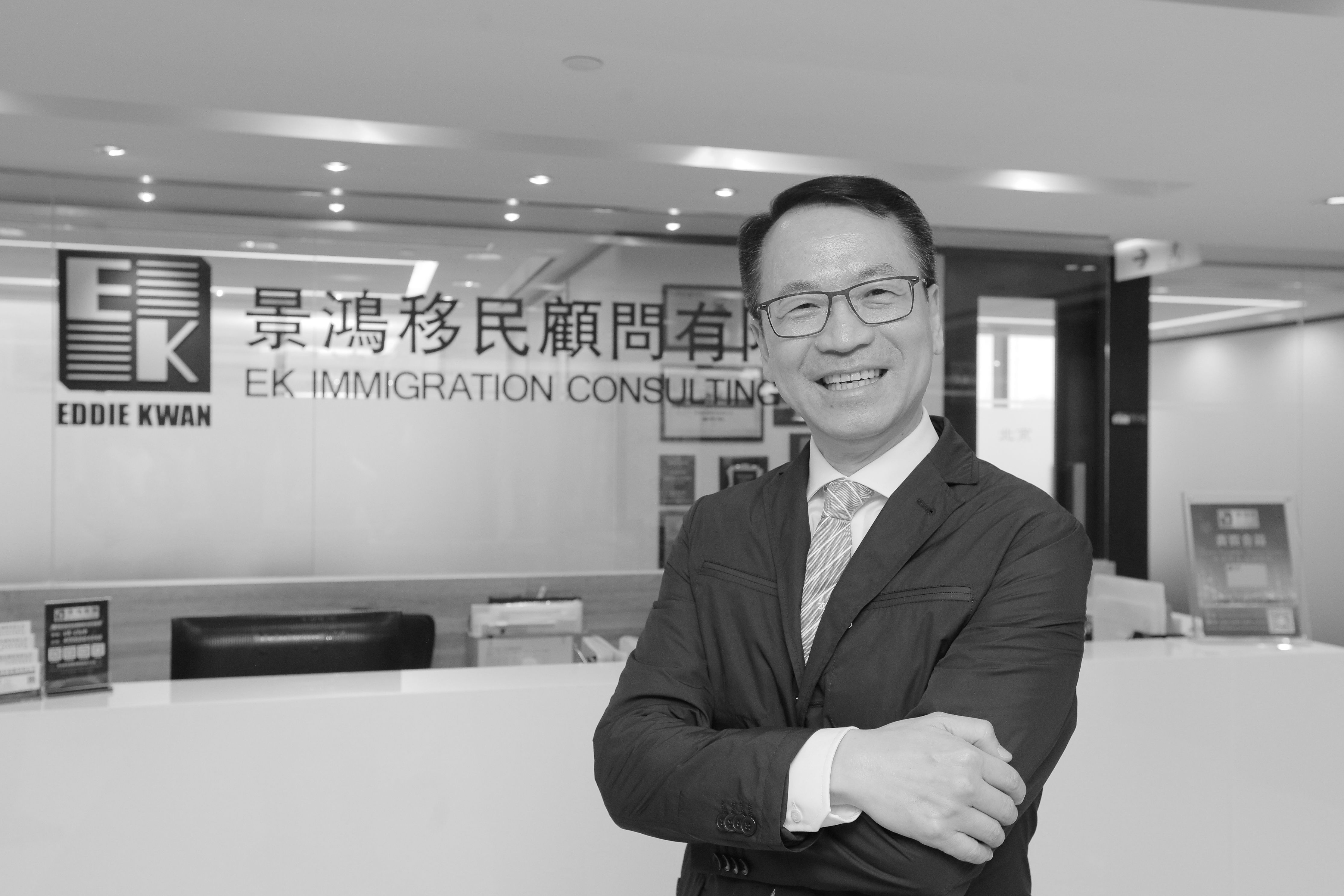
Recently, a luxury property tender has drawn immense attention in the wealth management sector. Dr. Eddie Kwan, the "Godfather of Immigration", passed away suddenly in mid-2023 at the age of 66. Surprisingly, his HK$100 million mansion in Yau Yat Chuen, purchased during his lifetime, is now being put up for public tender by an executor through an international surveying firm today (April 2026), nearly three years after his passing.
Menu
Why is this highly valuable property not directly inherited and held by his wife or children, but instead sold for cash by a third-party executor? This asset disposal case, spanning nearly three years, perfectly illustrates the legal reality when a high-net-worth individual (HNWI) passes away suddenly: Even for well-planned HNWIs, if the estate lacks sufficient liquidity (such as life insurance payouts), the "Executor" may still be forced to publicly tender a multi-million-dollar mansion to pay exorbitant fees or distribute assets equally as instructed by the will. If the event is sudden and neither a clear will nor an asset inventory is left behind (i.e., intestacy), massive family wealth will plunge into a prolonged legal quagmire.
What Happens Without a Will in Hong Kong? Many people assume property will naturally go to their closest relatives. But in Hong Kong, if an HNWI passes away suddenly without a valid will:
- Assets will be strictly distributed according to the statutory ratios under the Intestates' Estates Ordinance.
- The estate will be completely frozen until the court's probate process is completed; families cannot withdraw funds for emergencies.
- Court-appointed Administrators have the power to forcefully sell assets for cash to make distributions.
- Family members may not inherit specific properties, company shares, or wealth according to the deceased's original wishes.
How Are Assets Distributed Without a Will in Hong Kong?
What is Intestacy?
Intestacy means that when the deceased leaves no valid will, all their local and overseas assets require court intervention and undergo forced distribution according to a legally established legal order, rather than the deceased's personal wishes for their family.
Under Hong Kong law, intestacy leads to asset distribution by statutory ratios. If the deceased leaves behind a spouse and children, the spouse first receives all of the deceased's personal chattels and a statutory legacy of HK$500,000. The remaining estate is split in half: one half goes to the spouse, and the other half is divided equally among the children. This "one-size-fits-all" allocation often fails to adequately address the complexities of family business equity or the actual needs of multiple family members.
Breakdown: What is Included in the "Personal Chattels" the Spouse Gets First?
Under the Intestates' Estates Ordinance, this legally includes the deceased's private belongings such as cars, jewelry, watches, and furniture. However, please note that this absolutely does NOT include assets used for commercial investments, rental properties, cash, or stocks. Therefore, if a high-net-worth individual's wealth is entirely locked up in stocks or private company shares, the liquidity the spouse can actually receive in the first stage is extremely limited. Consolidating assets and life insurance policies early through InsurVault ensures the spouse knows whether there is sufficient immediate cash flow for emergencies.
At a Glance: Legal Consequences and Risks of Wealth Inheritance in Hong Kong
To help you clearly understand the massive difference in legal procedures and asset control between "having a will" and "intestacy", we have condensed common scenarios into the following table:
Will the Estate Be Frozen? How Long Until It Can Be Used?
Yes. From the moment the deceased passes away, bank accounts, stocks, and properties under their name will be frozen immediately. Family members must apply to the Probate Registry of the High Court for the relevant grants. General simple cases take a few months; however, for HNWIs with massive assets involving overseas properties and multiple corporate structures, the entire asset investigation and probate process often takes two to three years or even longer. As seen in Dr. Kwan's case, the mansion entered the tendering process almost three years later, demonstrating the prolonged and agonizing duration of asset freezes.
Regulatory Red Line: The "Caveat" That Freezes Estates Indefinitely
Why does probate for HNWIs often drag on for years? Because the Probate Registry of the Hong Kong High Court allows stakeholders to file a "Caveat". As long as any family member disputes the validity of the will or the qualifications of the estate administrator, filing this document will cause the court to completely suspend the issuance of any probate grants. All assets are frozen indefinitely until the dispute is resolved through litigation. The costs of this legal war of attrition are staggeringly high. Therefore, setting up a trust during one's lifetime or establishing a clear life insurance policy structure through InsurVault to allow emergency funds to legally bypass the probate process is the best defense to protect family wealth.
Why Do HNWIs Fall into Estate Deadlocks More Easily?
Who needs to plan their estate and asset inventory immediately? If you meet any of the following, your wealth could easily become a legal burden for your family:
- Own more than one property or indivisible physical assets
- Own overseas assets (subject to inheritance laws of different countries)
- Have minor children or multiple marriage backgrounds
- Hold private company shares or complex investment portfolios
Digital Asset Inventory: The Key to Breaking the Inheritance Deadlock
If families do not know where the assets are, even a will is difficult to execute—this is exactly why digital asset management tools exist. In the event of a tragedy in many affluent families, relatives are completely unaware of what bank accounts or insurance policies the deceased had, further exacerbating an already lengthy probate process.
To prevent your family from panicking while searching for insurance assets, you can utilize policy management tools like InsurVault to build a panoramic digital asset inventory. The system allows you to securely record insurance contracts and, through an encrypted family sharing feature, ensures that designated family members can immediately access an asset overview during critical moments. Coupled with appropriate asset isolation strategies, you can effectively prevent family wealth from being pointlessly drained during tedious legal proceedings.
Hong Kong FAQs (Estate Inheritance & Distribution)
Can an Executor force the sale of a property? Must a property be sold if there is no will?
The primary legal responsibility of an executor or administrator is to settle debts and distribute assets fairly. If there is sufficient liquidity in the estate to distribute to other heirs, a family member may choose to retain the property. However, if the property constitutes a massive proportion of the estate and is difficult to divide, or if family members cannot afford to buy out others' shares with cash, the executor holds absolute statutory power to list the property for tender, forcefully liquidate it, and then make a cash distribution.
Will overseas assets be distributed the same way?
It is highly complex. Overseas immovable properties (e.g., real estate) are governed by the local country's laws, while movable properties (e.g., cash) are governed by the laws of the deceased's domicile. If no will covers global assets, families must hire lawyers separately in multiple countries to handle the procedures, involving astronomically high time and legal costs.
Can this be remedied after the fact?
It is extremely difficult to remedy legally. Once the intestacy procedure begins, the court must act according to the law. The only method is for all statutory heirs to unanimously agree to sign a "Deed of Family Arrangement" to redistribute, but this very easily triggers family inheritance disputes.
Disclaimer: The information in this article is for reference only and does not constitute any form of legal, tax, estate planning, or financial advice. InsurVault is not a law firm or a professional trust institution; it does not participate in will drafting, probate procedures, or provide legal consultation. Regarding the exact regulations of the Intestates' Estates Ordinance, the statutory duties of executors, the definition of personal chattels, and the impact of the caveat mechanism, please seek advice from professional family law and estate planning lawyers, and refer to the final judgments of the Hong Kong Judiciary and relevant courts. For any inquiries, please email us at contactus@insurvault.com.hk.
Ready to build a safety net for your family?
Download the InsurVault App today and easily manage your family's policies all in one place. Make love traceable.
Download for FREE